Consultations
A broad range of veterinary services focussed on quality care for all small animals. Companion animal consultations, puppy & kitten consultations, emergencies & after hours referrals.

A broad range of veterinary services focussed on quality care for all small animals. Companion animal consultations, puppy & kitten consultations, emergencies & after hours referrals.
General Surgery: desexing, soft tissue and skin surgery. Major Surgery: orthopaedics, cruciate ligament repair, bone pinning/plating, liver and gastrointestinal.
Radiology, ultrasound, pathology, dentistry, hospitalisation and a quality specialist referral network.
Pet food and nutrition products. Flea and tick control. Heart-worm control. Intestinal worm control. Behavioural aids.
Providing quality care for companion animals across the Sunshine Coast hinterland for over 30 years.
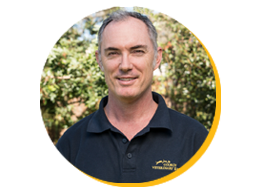
Craig is the Practice Principal Veterinarian at Cooroy Veterinary Surgery. Craig studied Veterinary Science at the University of Queensland, graduating in 1994. Craig has extensive experience in mixed practice environments. Prior to purchasing Cooroy Veterinary Surgery, Craig ran a successful mobile practice throughout the Sunshine Coast region for many years and is well known and respected in the local community.
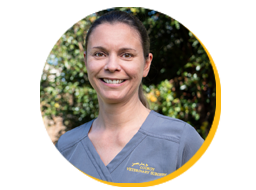
Dawn studied Veterinary Science at the University of Queensland, graduating in 2005. Dawn started working with Cooroy Veterinary Surgery in 2006 focusing specifically on small animals. Dawn has a special interest in treating skin conditions that trouble so many pets in the sub-tropical climate of the Sunshine Coast region.
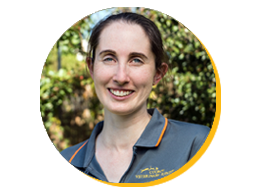
Kristy is a qualified Veterinary Nurse with many years experience working in the Cooroy region. Kristy is an indispensable part of the team and she has been a valued employee of Cooroy Veterinary Surgery since 2004.
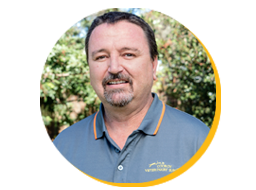
Vaughn is a qualified Veterinary Nurse with many years experience working across the Sunshine Coast. Vaughn is a vital part of the team and has been with Cooroy Veterinary Surgery since March 2016.
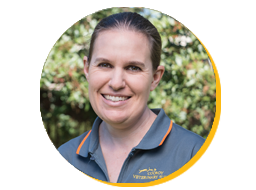
Carissa is a qualified Veterinary Nurse with extensive experience working in small animal practices across the region. Carissa is the newest member of Cooroy Veterinary Surgery team, coming onboard in mid 2018.